Back to the Future
Revisiting Phil Fisher and Scuttlebutt Investing
The death of old school value investing has been discussed for years now. I've even written about it previously.
It doesn't hesitate to generate attention. Value investing, in terms of investing based on low price to earnings or price to book ratios, has underperformed for years now. Warren Buffett, starting this year, isn't the CEO of Berkshire Hathaway anymore.
True fundamental analysis of equities seems to have taken a backseat to momentum, the ever-increasing dominance of passive investing, memes, and buying calls based on vibes. We're in a speculative frenzy right now and it's impossible to determine when that frenzy will end.
Because of the uncertainty, even in these types of environments, it's important to return to first principles. And one of those first principles is that stocks aren't just tickers on a screen. They are businesses that may (or may not) have actual cash flows. They have managers who may be incentivized to build empires rather than maximize shareholder value. And their products or services may be going out of style—even if the current financials imply that everything is all clear.
I'd argue that the average investor doesn't do enough on-the-ground diligence. It isn't due to laziness. It can be extremely time-intensive. It's why the Lynch philosophy of "invest in what you know or use" is so powerful.
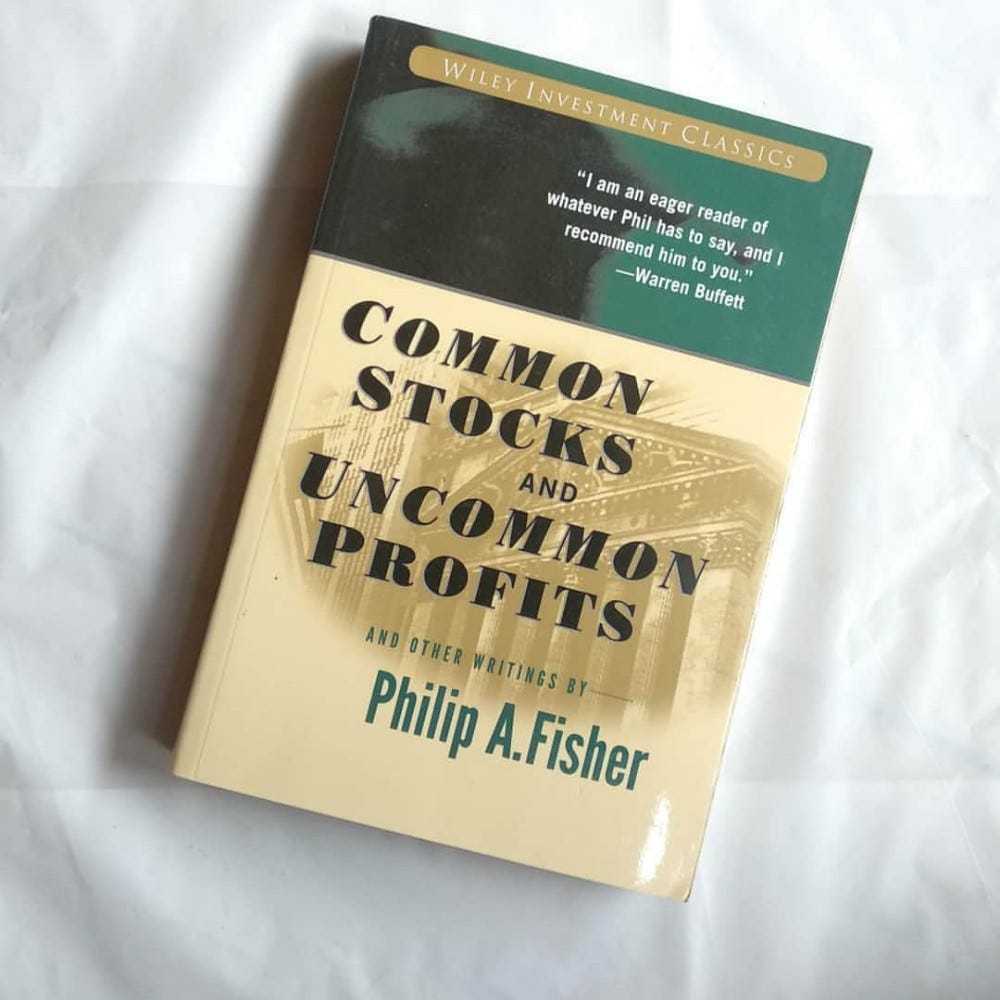
That being said, I think this is a unique opportunity for someone to build a platform that brings scuttlebutt investing into the AI age. If you don't know, the idea of scuttlebutt investing was popularized by Phil Fisher in the late 1950s. In his book Common Stocks and Uncommon Profits, he discussed the value of gathering first-hand facts and information on companies in, or about to enter, your portfolio.
The really great investors who do this are activist short sellers. I've had the pleasure of meeting some of the more well-known activist short sellers over the years. They do amazing work. By doing in-depth, on-the-ground research, they unearth facts that the market didn't know. And because of the scrutiny they're under, they have little margin for error.
I've been thinking about ways that we can make this approach easier and more accessible to investors. One way is to leverage the increasing power of AI agents (combined with some human on-the-ground work) to verify investment theses.
There are plenty of potential applications here. For instance, coordinating a group of agents to call stores to confirm that they actually exist (a notable fraud from several years ago massively overstated the number of stores that it had in existence). Or having an agent continuously scan LinkedIn or Twitter to see potential churn of key managers at a specific company.
Essentially, I'm looking for ways to marry 21st-century technology with a key investing practice that many people don't do. Yes, the filings and financial statements are important for any security. However, those numbers represent real things in real life. Currently, there isn't an easy way to actually bring color to those numbers—and to anticipate where they're going next.
I'm going to try building something like this for my personal use, so I'll let you know if I find anything interesting! It's just another example of how the future is going to be pretty mind-blowing.
Prompt of the Week
I'm getting pretty meta and introspective with some of these prompts (not sure what this says about me!). However, I found this prompt pretty interesting.
"What are some of the most non-obvious secrets, most applicable to my life, that I'm overlooking right now?"